[C]onsider that the only character in Encanto… who has experienced any significant real-life adventure is the heroine’s grandmother. And Abuela’s adventures, which happened long before the movie takes place, are portrayed as a traumatic backstory that results in her stifling her grandchildren’s self-actualisation. In effect, it’s a Disney princess adventure about the impossibility, under modern conditions, of making Disney princess adventures.
Mary Harrington
Tag Archives: movies
How I Find Films to Watch
This is this week’s edition of Time’s Corner, my bi-weekly newsletter. Sign up here.

For nine and a half years, I’ve kept track of all the movies I watch start to finish. At the moment, that number is six hundred and thirty-four, an average of one movie every five days.
What they are depends on the year. When my daughter was around three, we watched a bunch of Disney and Pixar movies together. When my son was born, I slept on a pull-out sofa in the basement and watched James Bond movies before falling asleep.
For most of 2014 I had no money and lived in a studio apartment without internet. Every Tuesday at work I’d check 99rental.com to find out which movie iTunes was renting for a buck that week. Most of the time I’d never heard of it. I’d download it anyway and watch it at home.
I used to spend a lot of time on Twitter, not talking, but listening. Twitter was a gold mine of information about movies & writing, straight from sources who knew. That was back when nobody knew that @Bitchuation was Steven Soderbergh and Rian Johnson was still unverified and dangerous. John August once argued with me about the ending to one of his own movies. All of these filmmakers constantly mentioned the movies, directors, screenwriters, editors, and cinematographers they loved, and I took note.
Most directors are avid movie fans. In the course of a ten-minute interview, Steven Spielberg might mention a dozen movies, some of which I’ve never heard of. He might say that one of them is “Fellini-esque,” leading me to look up Frederico Fellini and add a couple of his most highly rated films to my watchlist.
Speaking of watchlists, I use IMDb to keep track of what I want to watch, partly because it makes it easy to find out where a given film is streaming, and partly because it’s so easy to follow a thread from one film to another. For instance, watching The Untouchables a few years ago, I noticed how well the chase scene was shot (not to mention the reference to Battleship Potemkin) and looked up the cinematographer (Stephen Burum). One of the films he shot (The Escape Artist) was directed by another cinematographer named Caleb Deschanel (yes, Zooey’s dad). Never mind that The Escape Artist has a 6.8/10 on IMDb and a 58% on Metascore. A great cinematographer directed it and another great cinematographer shot. It goes on the list.
When picking a movie to watch on a Saturday night, and after convincing my wife to watch something obscure that may not be any good, I filter my watchlist by one of the streaming services we have access to (Prime, Netflix, Hulu, IMDb Freevee) and poke around for something that looks interesting. I know I’ll never get around to watching all the films that are on my list (there are exactly 1000 of them at the moment), and I know that not all of them are good. That’s fine. My watchlist functions like an anti-library, reminding me of all the movies, good and bad, that are out there. And once in a while, I do stumble across a gem. Here are ten of the best lesser known movies I saw for the first time in the last nine years:


Hurrying Through Leisure
The whole attitude seems to be: Let me get through this thing I don’t especially enjoy so I can do another thing just like it, which I won’t enjoy either. This is precisely what Paul Virilio means when he talks about living at a “frenetic standstill” and what Hartmut Rosa means when he talks about “social acceleration.”
Alan Jacobs
I say: If you’re trying to get through your work as quickly as you can, then maybe you should see if you can find a different line of work. And if you’re trying to get through your leisure-time reading and watching and listening as quickly as you can, then you definitely do not understand the meaning of leisure and should do a thorough rethink. And in both cases maybe it would be useful to read Mark Helprin on “The Acceleration of Tranquility.”
This reminds me of two things, both of which I probably learned about from Jacobs.
- This article from 2016 about watching everything on 2x speed (there have been lots of articles about this same thing since then)
- This article about watching everything ex-treme-ly slow-ly
Hold the emotion, thanks
I got to make my heist film with Gene Hackman. Like many of the stars in the above-instanced works, he is an actual tough guy. Lee Marvin was a marine commando in the Pacific, Hayden in the Adriatic. Hackman was a China marine, racecar driver, stunt pilot, deep-sea diver.
These men, and their performances, are characterised by the absence of the desire to please. On screen, they don’t have anything to prove, and so we are extraordinarily drawn to them.
They are not “sensitive”, they are not anti-heroes. They are, to use a historic term, “he-men”. How refreshing.
There will always be the same number of movie stars. There is a table of operations, and the vacant places must be filled, as with politicians, irrespective of the distinction of the applicant pool.
But I vote for the tone of a less sentimental time. Look at the photographs in the family collection, of dad or granddad during the war, or the Depression. We see individuals captured in a moment in their lives, not portraying themselves for the camera. I used to look at them and think one didn’t see those faces today.
I saw them on September 11. I was in the air when the bombings took place, flying back to Boston from the Toronto film festival. We landed at a small commercial aviation field. A customs officer escorted us to a room, where a group of pilots and passengers watched the immediate aftermath on television.
I had never seen faces like that in my life. They were so intent, resolved, completely unsentimental, trying to make sense of a disordered and a very dangerous world; as were the men and women who created the genre of film noir, to which I respectfully submit my addition.
David Mamet
Going the Distance
The best thing about The Bear, I think, is that it tries so hard. The writing alternates between brilliant and painful. (For examples of the former, see this monologue and basically anything Richie says.) The setting is rich and detailed, but also strangely empty. (Why do we never see any customers?) The filmmaking is boring in one episode and gutsy in another. (Episode 7 is one continuous shot set during the ten minutes before the lunch rush.) The one thing that is consistent is that Jeremy Allen White never stops looking like Rocky Balboa.
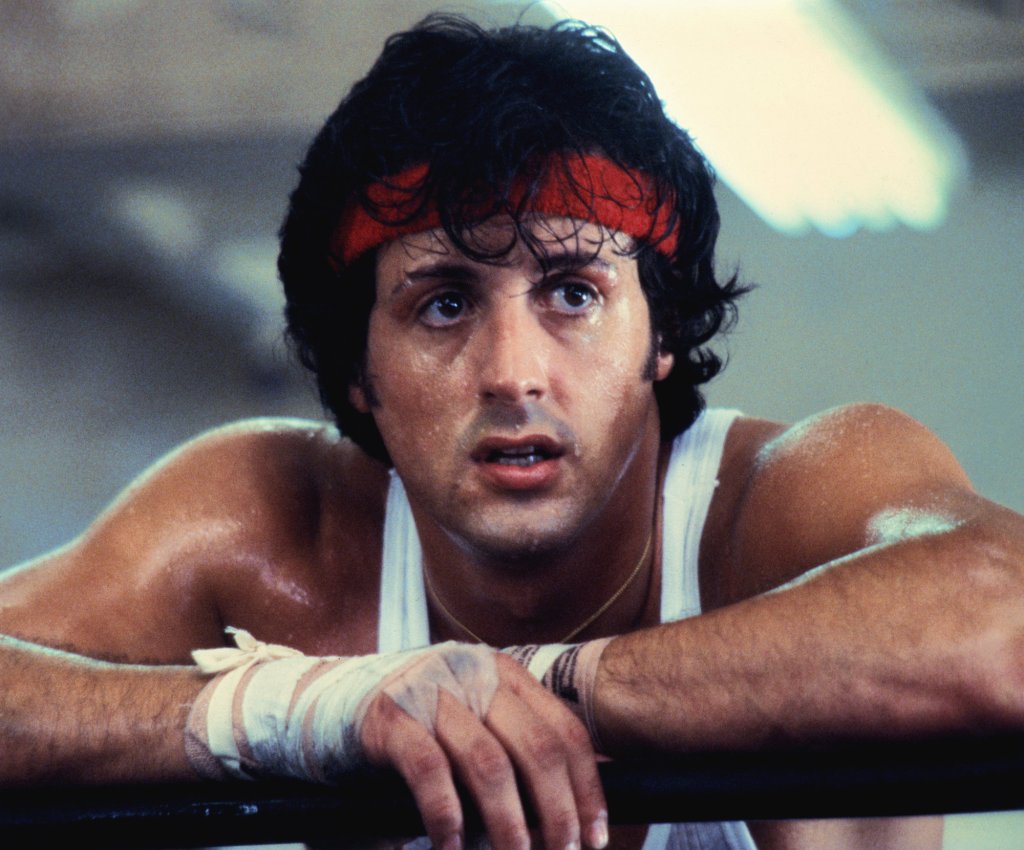
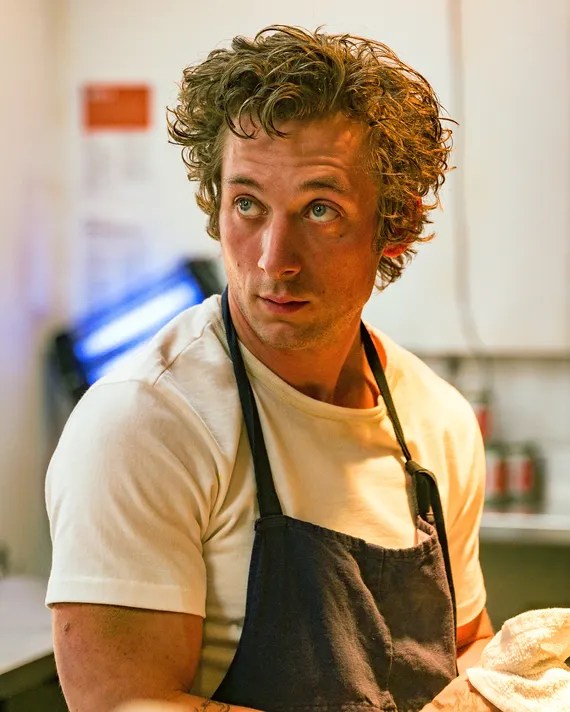
Maybe that’s enough. Maybe the unusual charm of the show comes from the fact that it feels like a film made by an MFA student on a shoe-string budget, the kind of film where no one gets paid, but pours their guts out anyway; where the cast and crew are basically the same people and craft services is someone’s mom dropping off chili. That scrappy vibe serves the show well because it’s also what the story is about—a restaurant that could be great but isn’t quite there yet. The Bear, The Beef, and Rocky all seem to have the same goal: to prove that, despite appearances, they’re not just some bum from the neighborhood.
UPDATE: I added some things to make my point more clear.
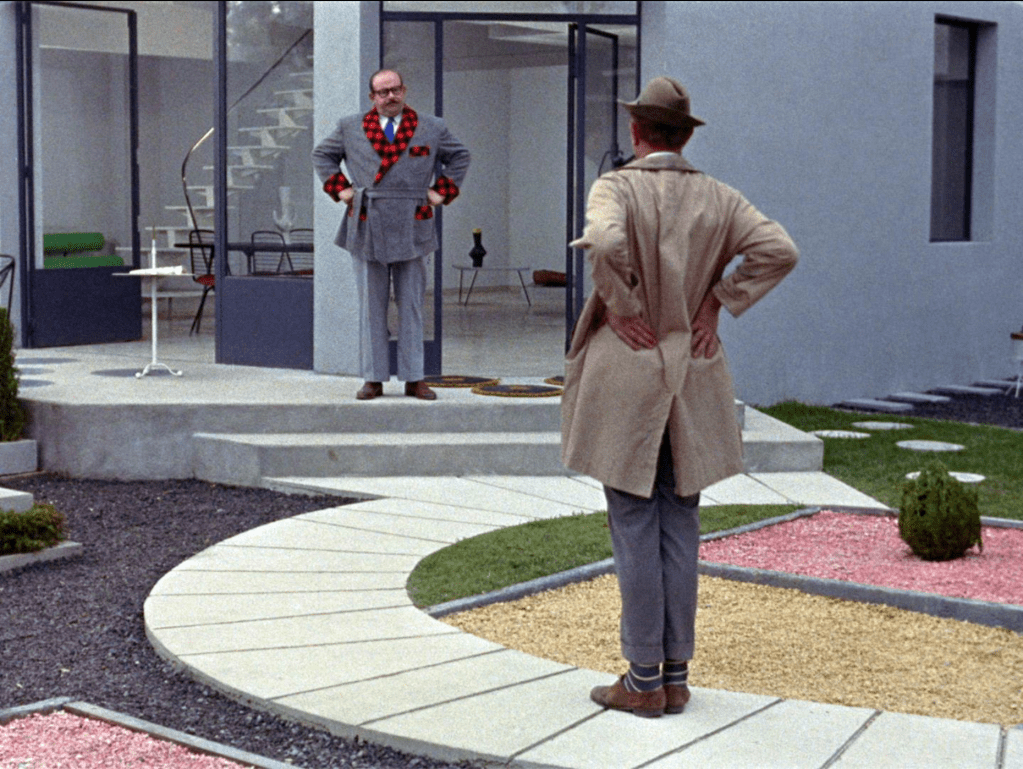
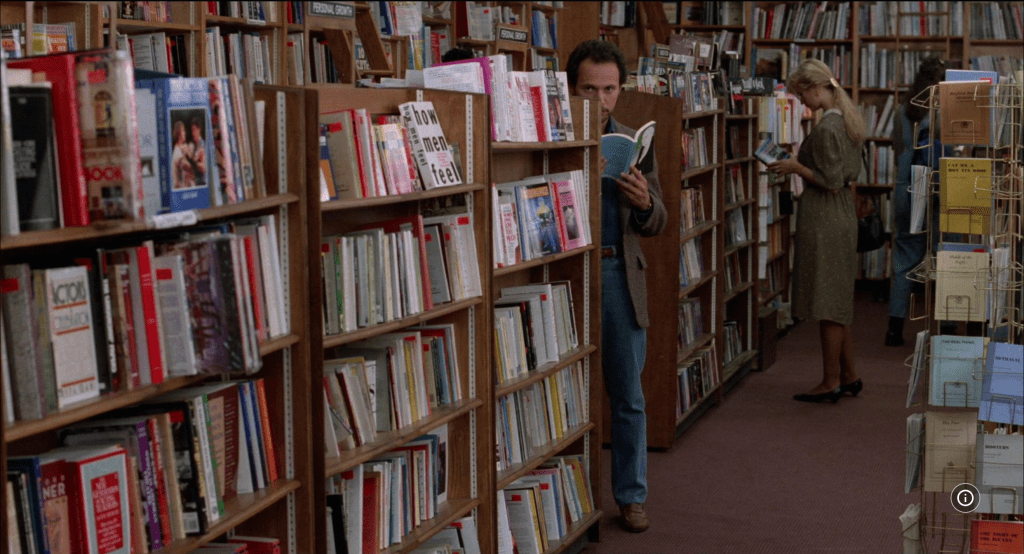
The Five Best Movies I Watched for the First Time This Year


Thanks I Hate It
If you want to know why I boycott Disney’s live-action remakes (and why you should, too), watch this video on 2017’s Beauty and the Beast. (Thanks, Alastair, for sending it to me, even though it took me roughly three years to watch it.)
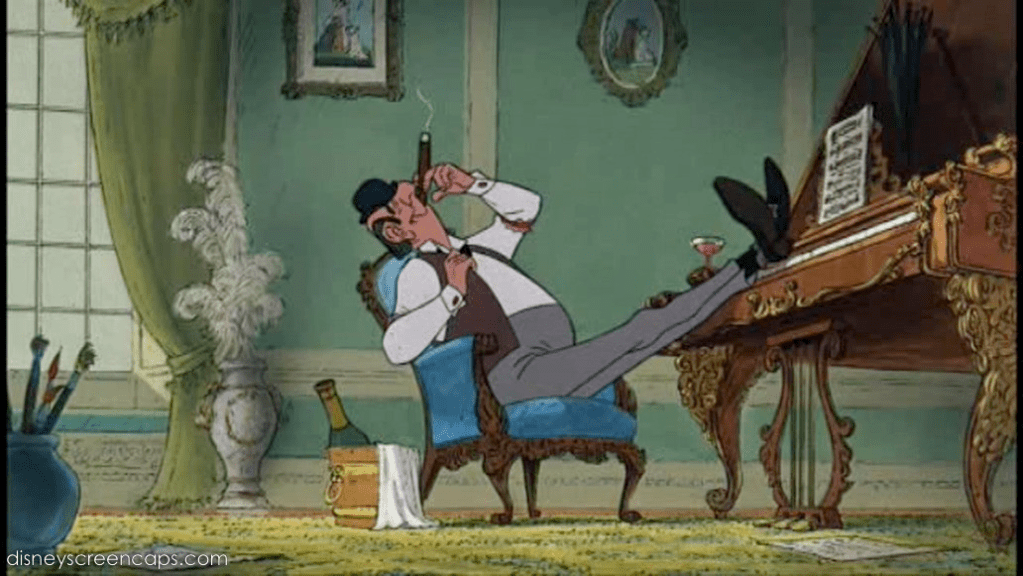
If Disney ever gets around to remaking The Aristocats as a misunderstood-villain version focusing on Edgar, I’ll fork over the dough. Otherwise, the boycott stands.
 Christian Leithart