Some books are to be treated courteously, others graciously, and some few to be embraced and surrendered to.
Tag Archives: books
Book Covers I Like
A few years ago I was cataloguing the library of an eminent theologian, and I started to take pictures of the most interesting book covers. Here you are.
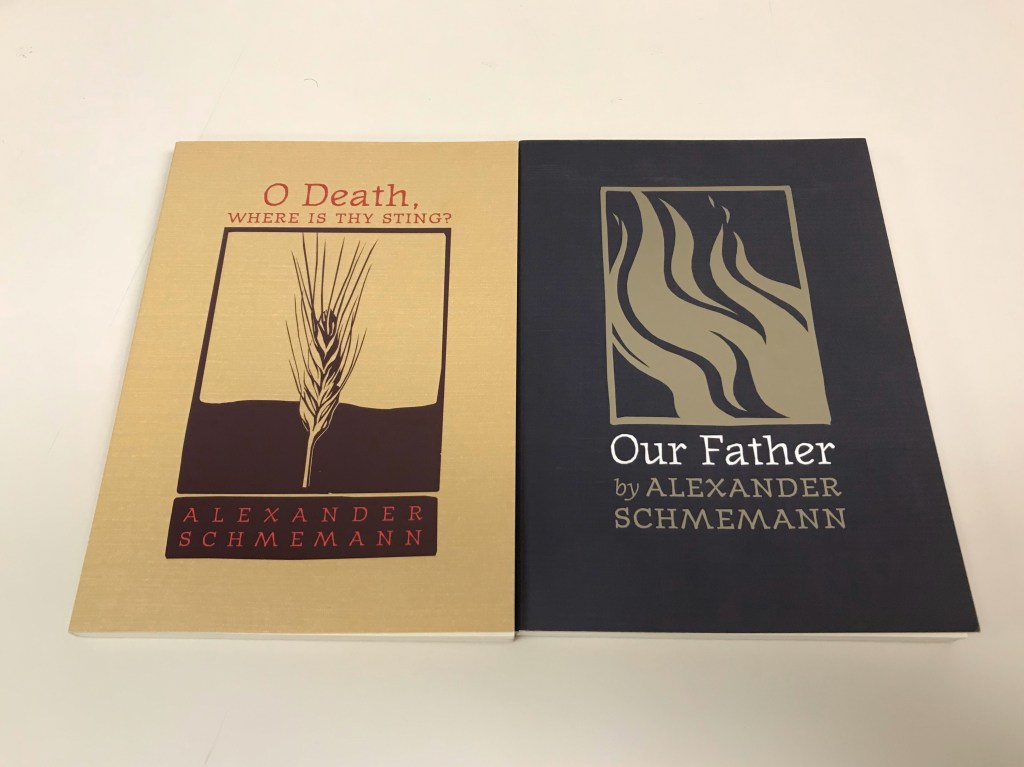
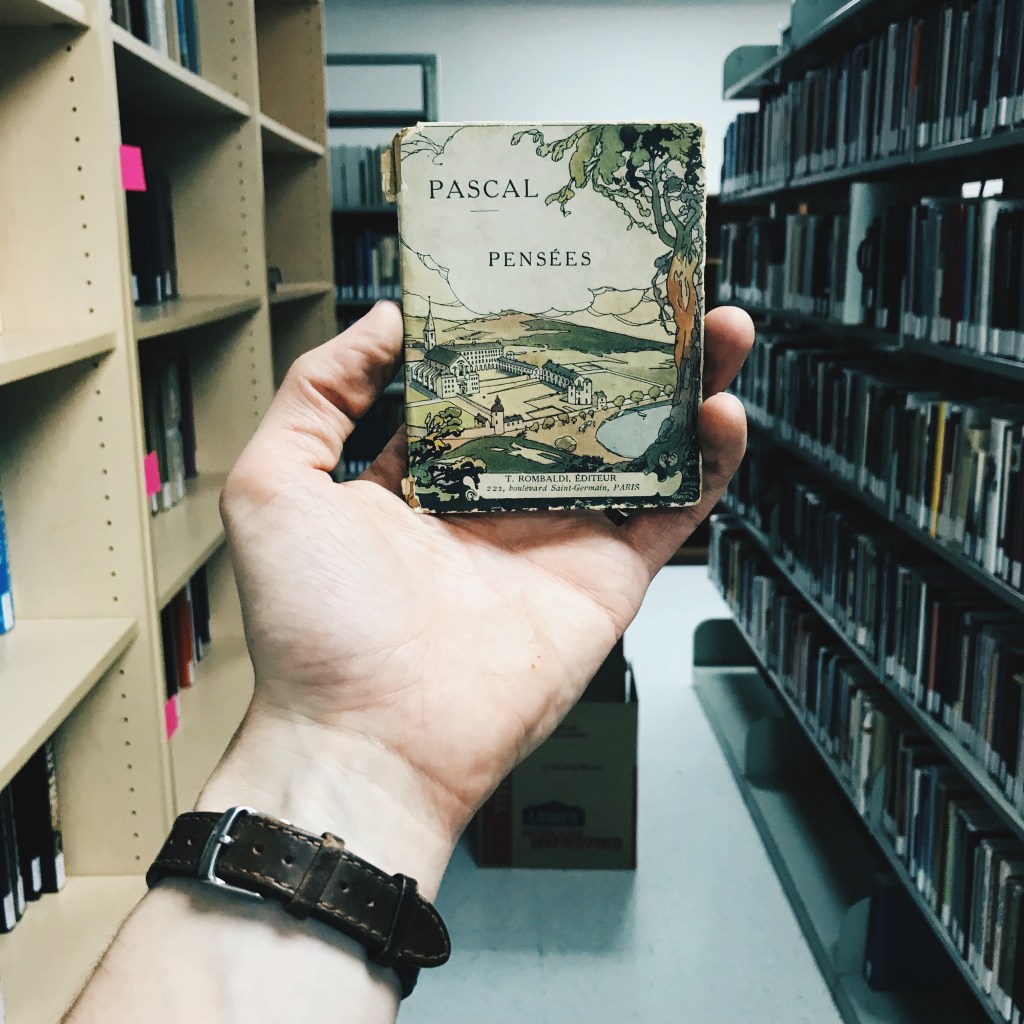
Processed with VSCO with hb2 preset 
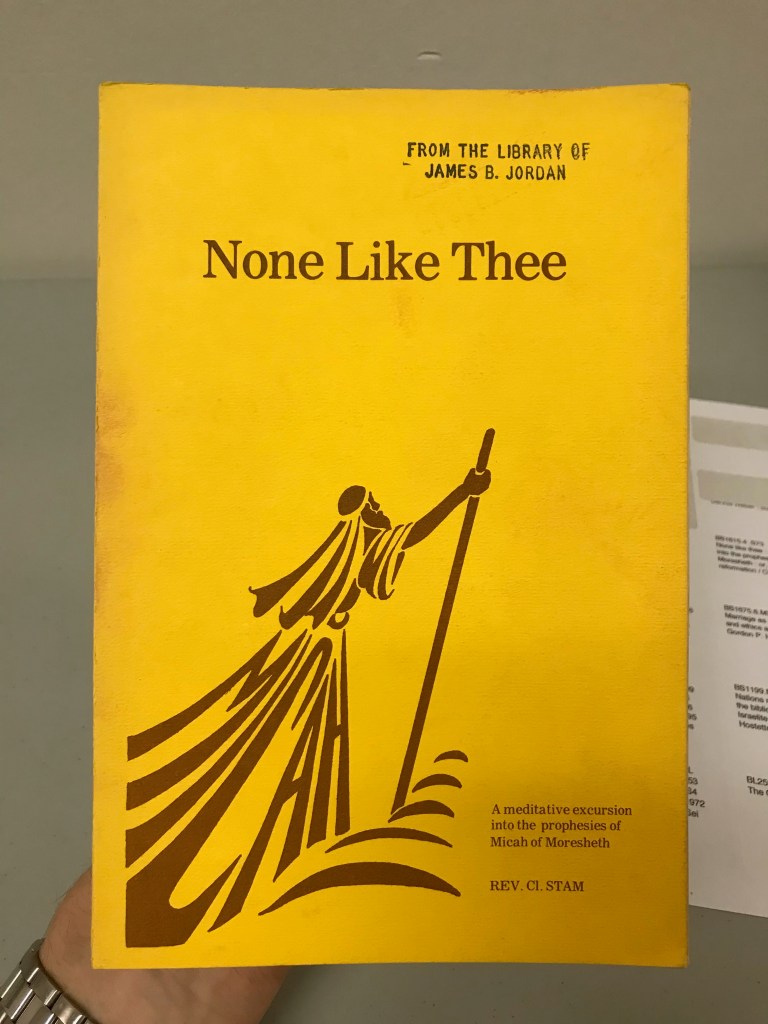


It wasn’t so much the cover of this one as the note inside.

Library Cheek
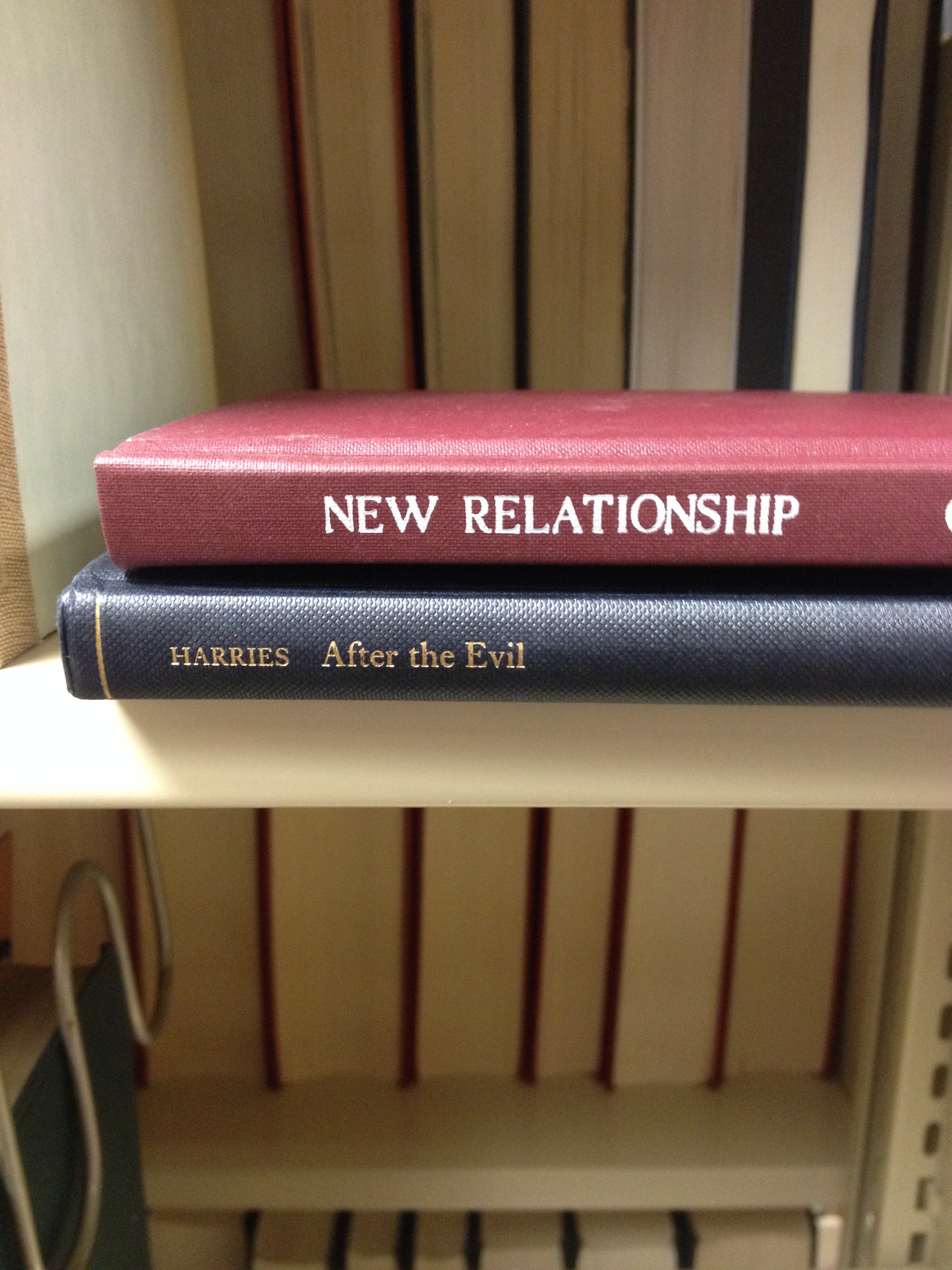
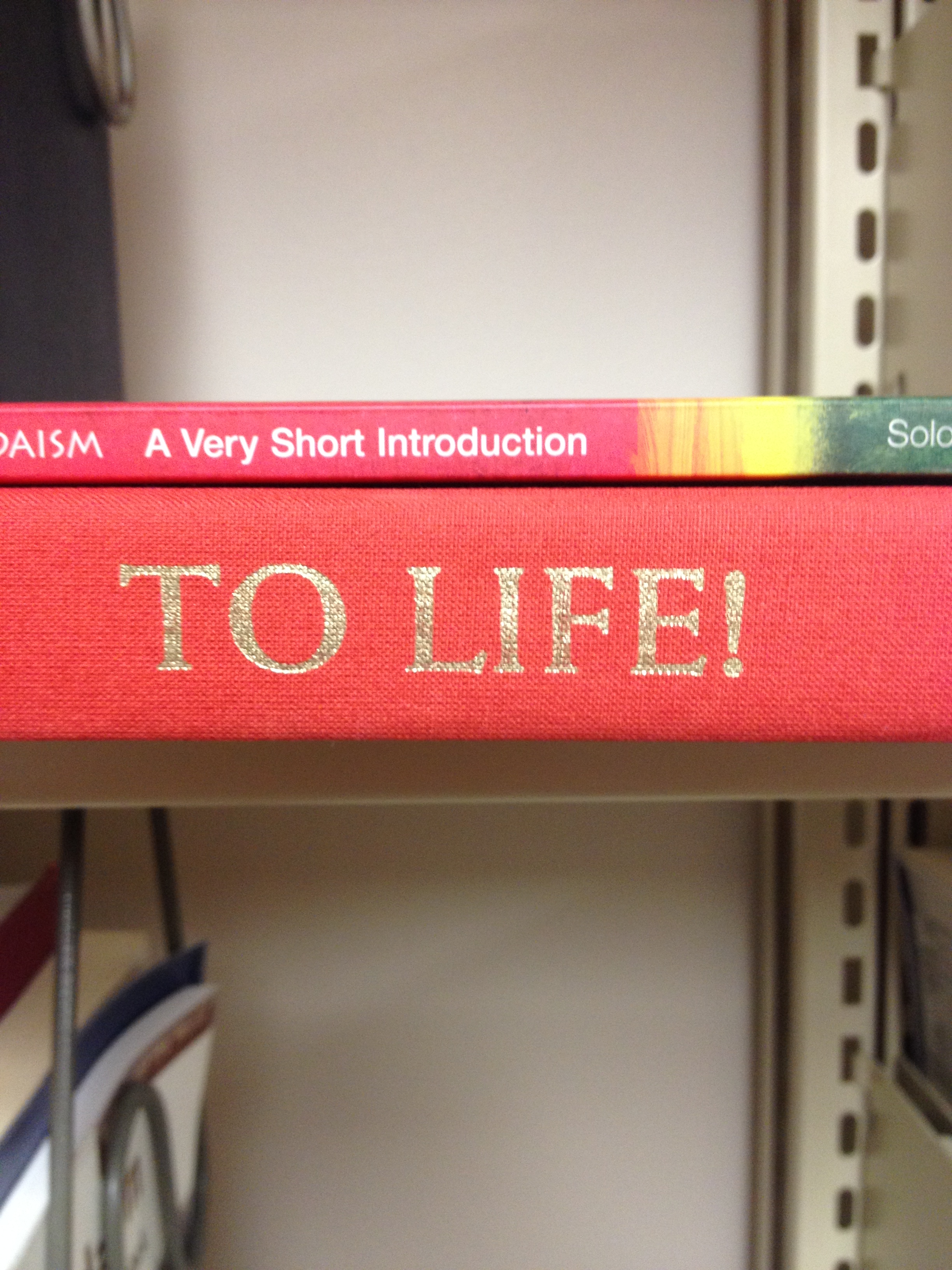
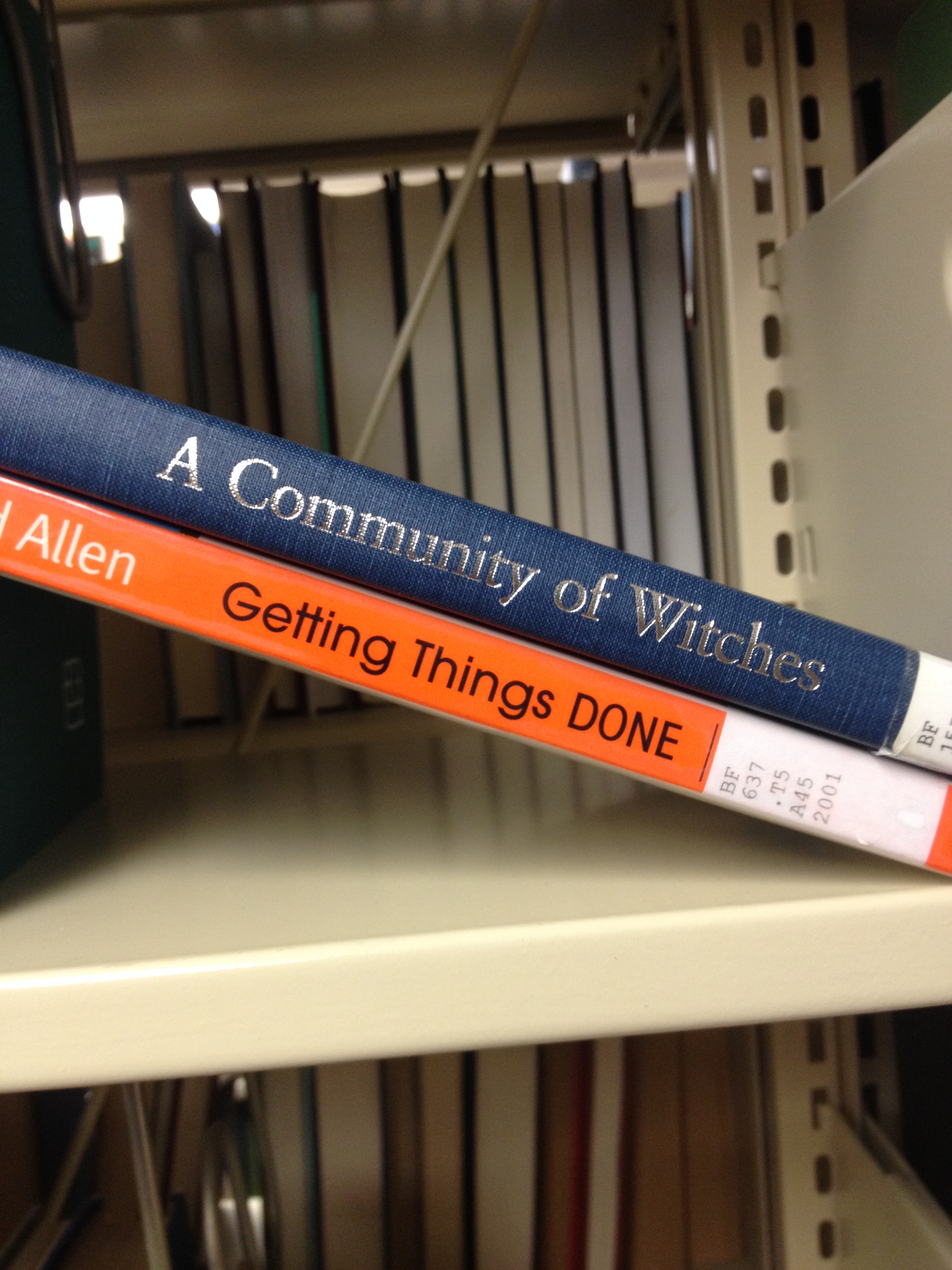

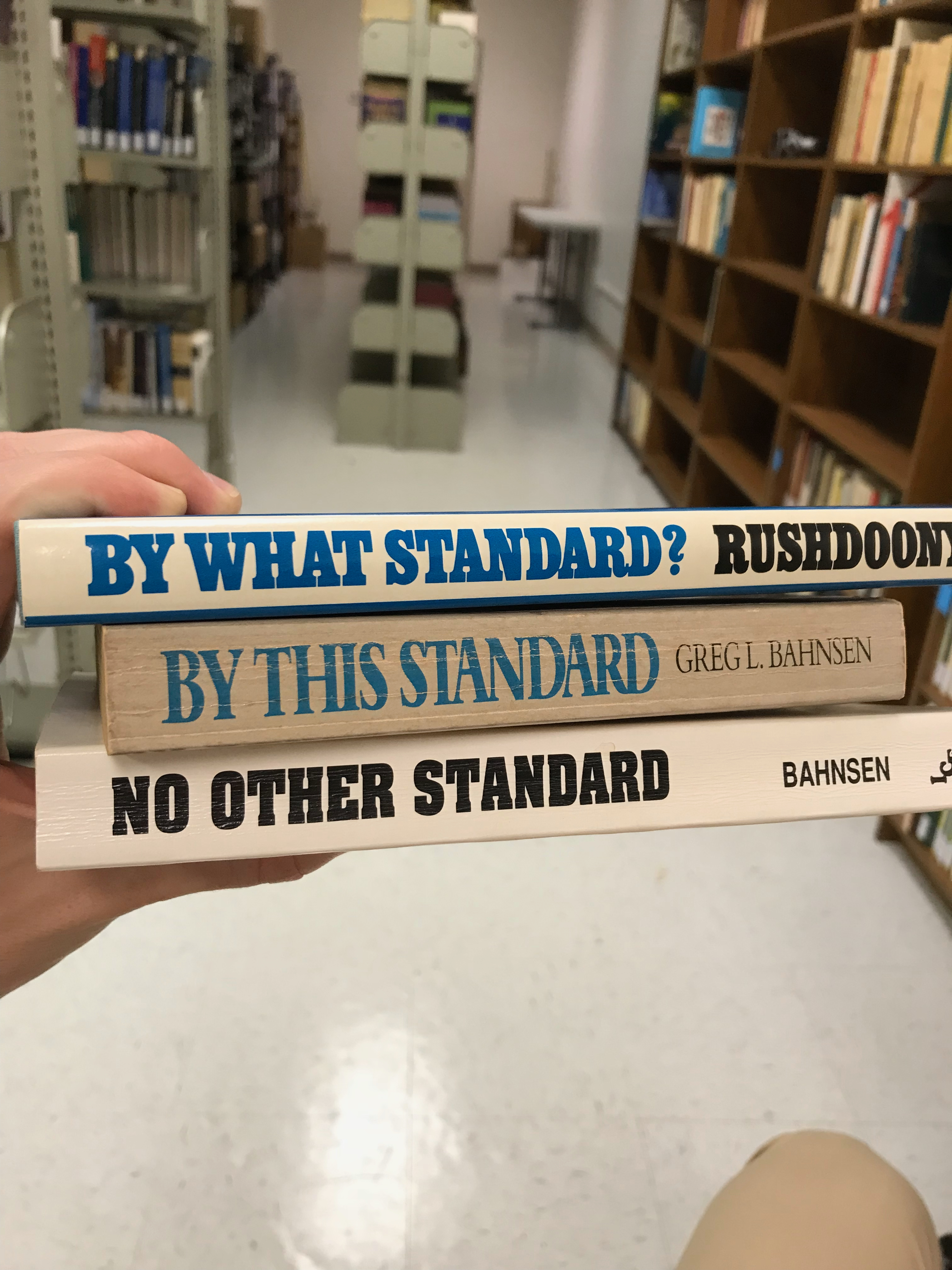
Messing around with book titles.
What I Learned From Susan Howatch
No one can teach you to read like a writer. It can happen, of course. Once you’ve slaved over thousands and thousands of sentences, trying to get words to click, you develop an eye for quality, the same way a cinematographer recognizes good filmmaking and a contractor good craftsmanship. Ask a writer how to write a good sentence and the odds are he’ll rattle off a half-dozen that amaze him. (Francine Prose turned this into an entire book called Reading Like a Writer. You’ll notice it’s not called “How To Read Like a Writer.”)
I’m starting a new non-sequential series of newsletter issues called “What I Learned From…” I’m cross-posting them here so I can file them more easily. These will not be book reviews. I rarely put down a book these days ready to pass judgment on it (unless I’ve been asked to, of course). I usually jot a few notes to myself, mark the book as read, and move on. But every so often, I notice something a writer did well, something I want to remember. That’s what these issues are for.
Susan Howatch wrote a series of novels about the Church of England in the 20th century. My wife put the first one (Glittering Images) in my hands and promised me that the last one (Book 6) was more than worth reading all four thousand pages of the series. My wife’s taste in books is excellent, as you may know, so I read them all. She was right. The tangled threads of six books ultimately weave together into a satisfying final picture. (That was a very Howatchian sentence, by the way.)
Before you treat this as a recommendation, please note the following. These books are cheesy. If they had a soundtrack, it would be a cross between a 1940s Hollywood romance and the radio drama Suspense! They are scandalous. Sex is a major theme, especially the recurring question of how on earth an unmarried clergyman is supposed to remain celibate. They are also, at times, surprisingly insightful. I saw reflections of myself in more than one character, and I don’t just mean a passing characteristic. I mean the kind of characteristic that you’d need a bone-saw to remove. Oh, did I mention the books are theologically literate, at least in the Anglican tradition? Every chapter opens with a quote from a C of E luminary like Rowan Williams or Austin Farrer.
Alright, on to the writing. Howatch isn’t a great writer, but that doesn’t mean I can’t learn from her. From Howatch, I learned that sometimes it’s more accurate to tell rather than show, especially when writing in the first person. This sounds bizarre to those of us who are used to hearing the opposite. I’ve always thought “show, don’t tell” meant that you should describe physical sensations and movements instead of thoughts and emotions. A scene written like that might go something like this:
“Where you were last night?” my mother asked without looking up from her knitting.
My fingers tightened around my car keys. “Out with some friends,” I said.
“I hope you had fun.” The knitting needles clicked and clicked.
“Yep, we did.” The keys dug into my palm. “Good night, Mom.”
If Susan Howatch were to tackle this scene, it would look something like this:
“Where were you last night?” my mother asked innocently, never looking up from her knitting. I recognized the half-finished project in her lap. It was the same pattern as the blanket she had knitted for me when I was a child. This blanket was for my new niece, of course, but the significance of her choosing to work on this particular project at this particular time was not lost on me.
My fingers tightened around my car keys as I said carefully, “Out with some friends.” With any luck, she would believe the lie and ask no further questions. My heart sank as I saw that my words had merely confirmed her suspicions.
“I hope you had fun.” The knitting needles clicked reproachfully. They continued to click, like a miniature clock urging me to confess, confess! before it was too late. I longed to tell her everything, to absolve myself of the awful guilt which followed me everywhere and even now hung like a black cloud over the house. But something held me back. Grasping in my mind, I discovered it was the constant and unceasing danger that the truth presented to Cecilia. I could never tell. Never.
It was in that moment I knew I loved her.
I realized I hadn’t replied to my mother’s comment. I adopted my most casual tone and consciously relaxed my grip around the keys. “Yep, we did. Good night, Mom.”
Does the second attempt add anything to the scene that’s missing from the first attempt? Of course. We know that the mother has chosen her knitting carefully. We know that the narrator believes telling the truth would be dangerous. We meet someone named Cecilia. And we are much, much closer to the protagonist’s point of view. Attempt #2 may be overwritten (so many adverbs!), but it’s not unrealistic. We actually do observe, evaluate, and make choices when we’re in the middle of having a conversation with someone. We just do it instantaneously. Teasing out all of those thoughts and judgments can take pages and pages, but it can be very effective if done well. Attempt #1, on the other hand, tries to mimic real time, but that doesn’t make Attempt #2 less real.
So, the lesson: it’s sometimes good to tell, not show, especially if you’re writing in the first person, and commentary can slow scenes down to help you focus on the protagonist’s interior life.
How Children Ought to Treat Books
One of the earliest and strictest lessons to the children of the house being how to turn the pages of their own literary possessions lightly and deliberately, with no chance of tearing or dog’s ears.
Ruskin, preface to Sesames and Lilies
And my ambition now is (is it a vain one?) to be read by Children aged from Nought to Five. To be read? Nay, not so! Say rather to be thumbed, to be cooed over, to be dogs’-eared, to be rumpled, to be kissed, by the illiterate, ungrammatical, dimpled Darlings, that fill your Nursery with merry uproar, and your inmost heart of hearts with a restful gladness!
Lewis Carroll, preface to The Nursery Alice
Child! do not throw this book about;
Hilaire Belloc, dedication of A Bad Child’s Book of Beasts
Refrain from the unholy pleasure
of cutting all the pictures out!
Preserve it as your chiefest treasure.
The first two quotes are from this article. The last I found in my copy of Barlett’s Familiar Quotations.
Until recently, I’ve sided with Ruskin and Belloc, but I’m starting to see the wisdom of Carroll’s ambition.
Since I’m trying not to use Goodreads anymore, I downloaded my To-Read list as a CSV file and am going through the titles one by one, deleting anything I’ve already read (about one out of every ten). I’m amazed by how many of the books I remember putting on the list—who told me about them, in which footnote I tracked them down, where on a library shelf I stumbled across the title. It’s like a reading diary in itself.
What I Read in 2020
Below is a list of the books I finished this year. Back in April, I posted a list of what I’d read up to that point, along with some comments. No comments today, alas.
I also keep a running list of what I’m reading, watching, and listening to in my Media Diary (which I haven’t updated in some time).
(Thanks to my wife, whose yearly run-downs inspired me to do this.)
Theology & Christianity
- The Reason for God, Tim Keller
- Partakers of Grace, Douglas Wilson
- From Silence to Song, Peter J. Leithart
- Defending Constantine, Peter J. Leithart
- Fruit of Lips, Eugen Rosenstock-Huessy
- Selections from the Table-Talk of Martin Luther, Henry Bell
- The Pursuit of God, A. W. Tozer
- Job Through New Eyes: A Son for Glory, Toby Sumpter
- Joy at the End of the Tether, Douglas Wilson
- A Short Essay Toward the Improvement of Psalmody, Isaac Watts
- Practical Christianity, A. W. Pink
- Studies in Deuteronomy, Donald F. Ackland
- The Four Loves, C. S. Lewis
- Miracles, C. S. Lewis
- Heretics, G. K. Chesterton
- Migrations of the Holy, William Cavanaugh
- Born Again, Charles W. Colson
- Bruchko, Bruce Olson
Parenting & Teaching
- Positive Discipline, Jane Nelsen
- Parenting, Paul David Tripp
- Shepherding a Child’s Heart, Tedd Tripp
- Something They Will Not Forget, Joshua Gibbs
Adult Fiction
- The Name of the Rose, Umberto Eco
- Empire of Bones, N. D. Wilson
- The Starbridge Series, Susan Howatch (Books 1-4)
- Descent Into Hell, Charles Williams
- Piranesi, Susanna Clarke
- Brideshead Revisited, Evelyn Waugh
- Beau Geste, P. C. Wren
- The Prisoner of Zenda, Anthony Hope
- Earthfasts, William Mayne
- The Unique Miranda Trilogy, H. W. Taylor (Books 1-2)
- Kill Ship, H. W. Taylor
- Alas, Babylon, Pat Frank
- The River, Peter Heller
- East of Eden, John Steinbeck
- Crime and Punishment, Fyodor Dostoevsky
- The Thirteenth Tale, Diane Setterfield
- Never Let Me Go, Kazuo Ishiguro
Children’s Fiction
- New Kid, Jerry Craft
- The Lion, the Witch, and the Wardrobe, C. S. Lewis
- Afternoon of the Elves, Janet Taylor Lisle
Creative Non-Fiction
- Blood Will Out, Walter Kirn
- H is for Hawk, Helen MacDonald
- Girl at the End of the World, Elizabeth Esther
Poetry
- Motherland, Sally Thomas
Plays
- Deathtrap, Ira Levin
- Hamlet, William Shakespeare
Writing
- Ploductivity, Douglas Wilson
- The War of Art, Steven Pressfield
- Steal Like an Artist, Austin Kleon
- Show Your Work, Austin Kleon
- Keep Going, Austin Kleon
Other Non-Fiction
- Long Live Latin, Nicola Gardini
Total: 58
The Value of E-Books
In Monday’s issue of Time’s Corner, I asked my readers this question: What are ebooks worth to you? What are your ebook reading practices? The replies not only included a broad spectrum of reading practices, they also contained a variety of opinions on the value of ebooks. I decided to focus on the former category in today’s Thursday Thread. The latter is included here.
In my mind, ebooks should always be cheaper than a new hard copy — there is no iterative cost to an ebook, and they have the drawback of being not only a non-transferrable purchase but also being technically only licensed to me and not owned by me. In practice, I’m usually willing to pay about 10% of the print price for an ebook. I started to say I would pay up to $5, but if the book is only $10 in print, I wouldn’t pay more than maybe $1 or $2 before I just bit the bullet and bought a new or used copy. But if I see an ebook listed for more than $5, I almost immediately dismiss it; it would have to be a very expensive book, like Frisardi’s translation of the Convivio which cannot be had for less than $125, before I would consider paying a double-digit price for the ebook.
Melissa
Regarding value: publishers are going to charge whatever is the most they can get without losing significant sales numbers, not listen to this logic, but [ebooks] should cost the hard cover price, minus whatever percent of that price represents the physical production of the book.
Daniel
ebooks are worth a lot, depending on the content. ebooks are products, just like books. they’re digital, which is (i think) the crux of this discussion, and people are still deciding if they like paying for digital things. however, placing worth on something because you can touch it is the wrong way to think about worth.
worth has to do with output compared to input. you pay for spotify because the enjoyment you get from listening to music is worth $10/mo to you; you pay for a car because the usefulness of a car is worth $10K or $200/mo. cost ultimately comes down to how much people will pay for the product, so the question of worth comes down to whether or not the output justifies the (cost and time) input.
books (e- or not) have two potential outputs: enjoyment and ideas. if you’ll get $500 worth of ideas out of a book, then it should be worth up to $499. if you get 8 hours of enjoyment out of a book, the amount you’re willing to pay for it should depend on how much you value your leisure time. it’s important to keep in mind that a book’s output isn’t binary: you’ll get ideas and enjoyment, and you should factor in both.
i suppose this stance begs a few questions, so i’ll try to address some counter-arguments at a high level:
1. yes, there are counter examples. some books shouldn’t be ebooks, and i suppose some people shouldn’t buy ebooks.
2. maybe different people should pay different amounts for the same book. maybe there should be a variable cost, or a pay-what-you-want model for books. some people will get more value out of a book than others, and maybe those people should be able to recognize the value and compensate the author for it.
3. no, i probably wouldn’t pay $500 for a book, but i have paid that much for what is essentially an ebook because i believe i will get at least that much value out of it over the next several years.
Sheffield
To me, one of the main reasons why ebooks are worth less is because they tend to have copy-protection software, so there’s no guarantee that they’ll even work in 5 or 10 years. My physical books will be good for the rest of my life, and in some cases probably my kids’ lives.
The “they don’t use paper” argument doesn’t make much sense to me. My willingness to pay for a book is determined by how much value I get out of it, not how much it cost to produce. If you printed Pride and Prejudice with one word per page, I wouldn’t suddenly be willing to pay $500 for it because it used so much paper. Conversely, I am sometimes willing to pay more for an audio book than a physical book, because I have much more time in my day for listening than for reading. An audiobook download also doesn’t require paper, but since it’s more useful to me, I’m willing to pay more for it (though if I can get it for free via Hoopla or Libby, I will definitely take that!).
David
A Man’s Gone Serial
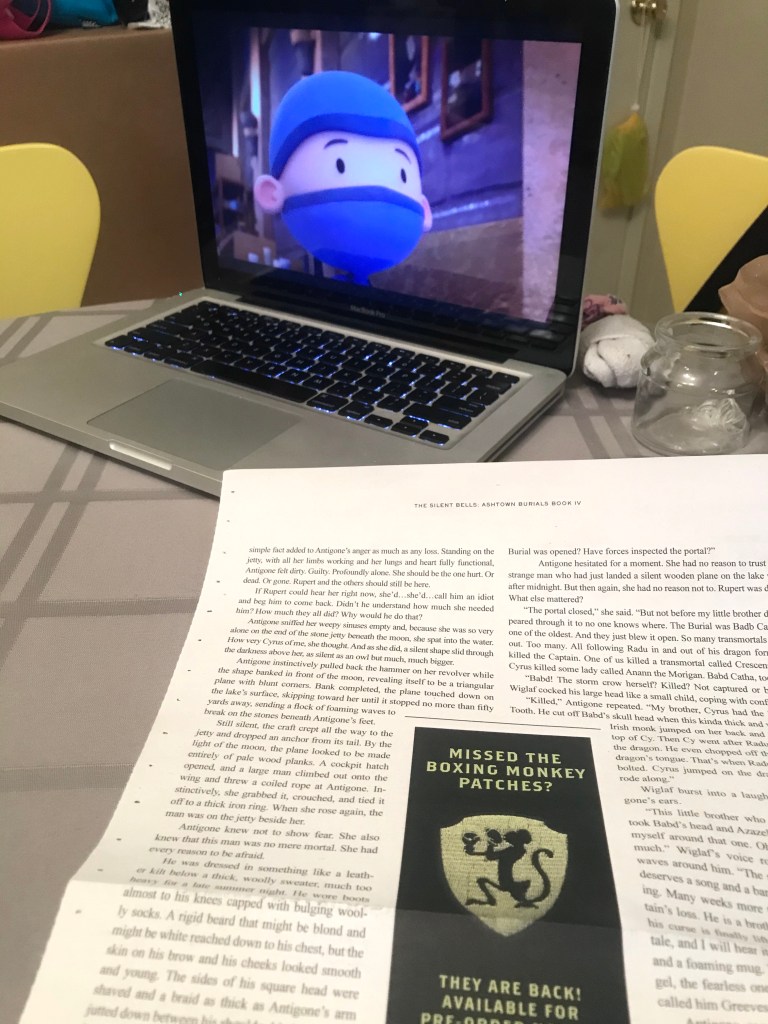
Nate Wilson taught me writing and rhetoric back in the day. For a long time, he was the only published author of fiction I knew, so I’ve always followed his doings with interest. With an output that includes ten novels, two non-fiction books, a feature film, two nature documentaries, and a Netflix show, he’s a tough guy to keep up with.
His latest endeavor is The Silent Bells, a young adult fantasy novel published on a monthly basis. Each chapter is mailed to subscribers in newspaper form (complete with funnies page and fake adverts). I’ve read most of Nate’s books, and I think this may be my favorite way to read them. His novels have lots of action and lush description that can be exhausting when you try to read a hundred pages at a go. At this new pace, the story is like drinking a Red Bull every four weeks. Not only that, his pacing shines even more, since you can’t just move on to the next chapter when you hit a (literal) cliffhanger. Gotta wait an entire month to find out how (if??) Cyrus will survive…
A Man Clearly Needs to Read More About Merlin
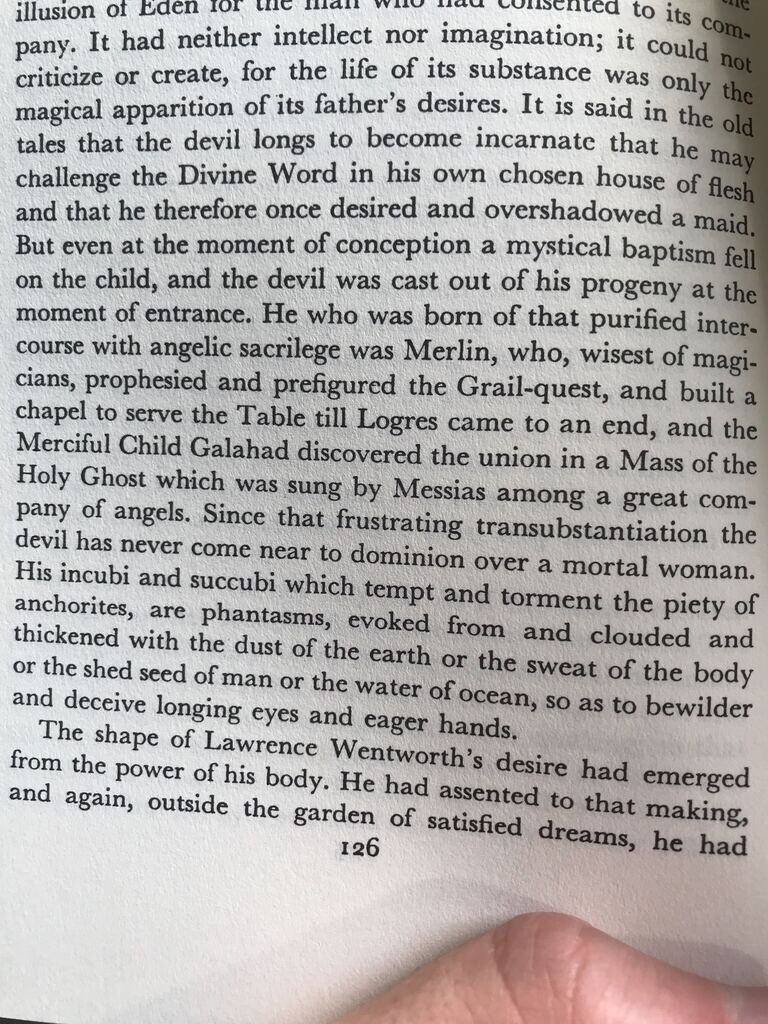
 Christian Leithart