A few years ago I was cataloguing the library of an eminent theologian, and I started to take pictures of the most interesting book covers. Here you are.
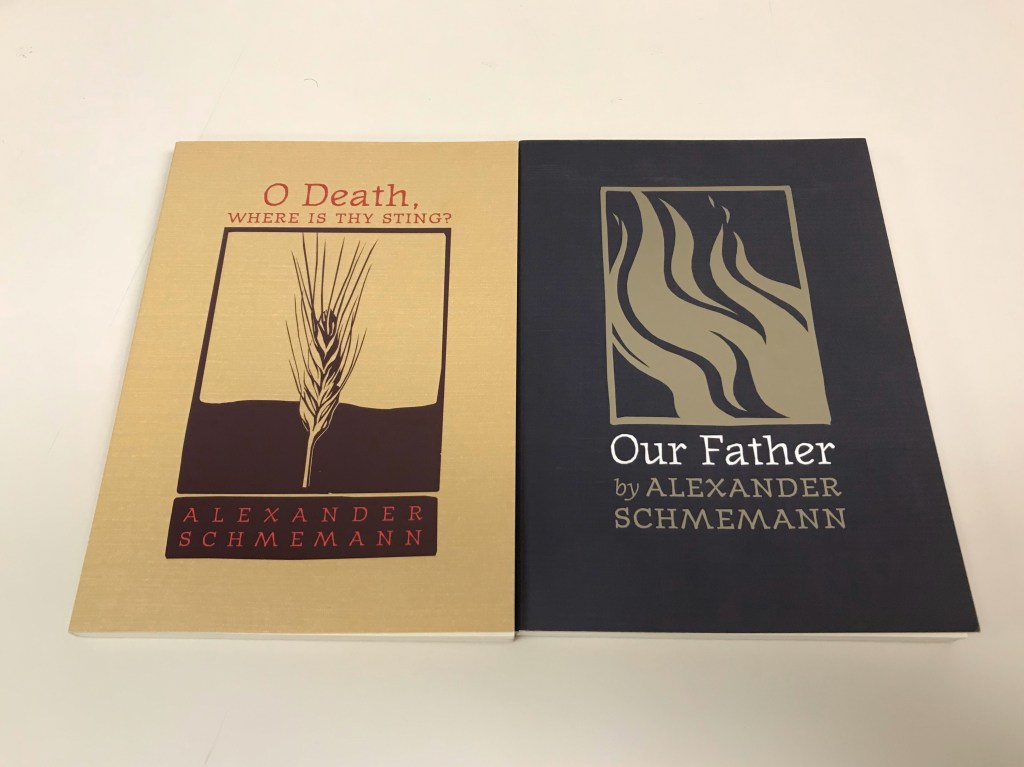
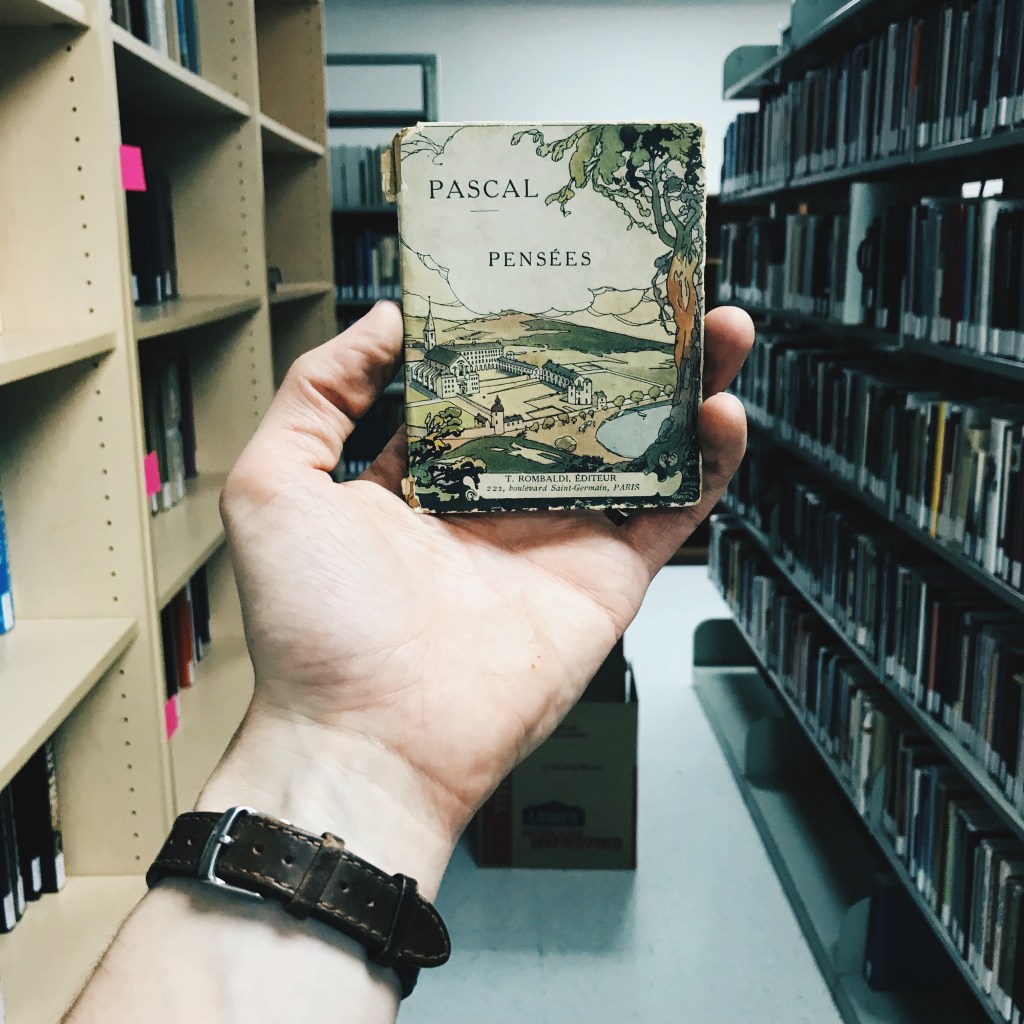
Processed with VSCO with hb2 preset 
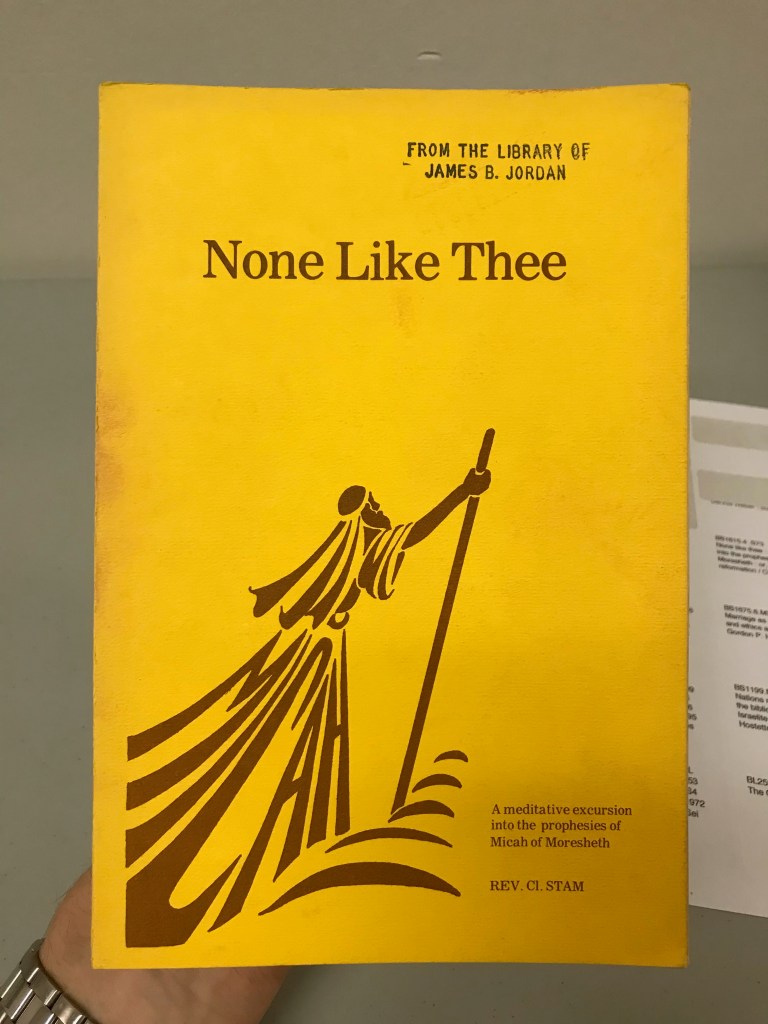


It wasn’t so much the cover of this one as the note inside.

A few years ago I was cataloguing the library of an eminent theologian, and I started to take pictures of the most interesting book covers. Here you are.
It wasn’t so much the cover of this one as the note inside.
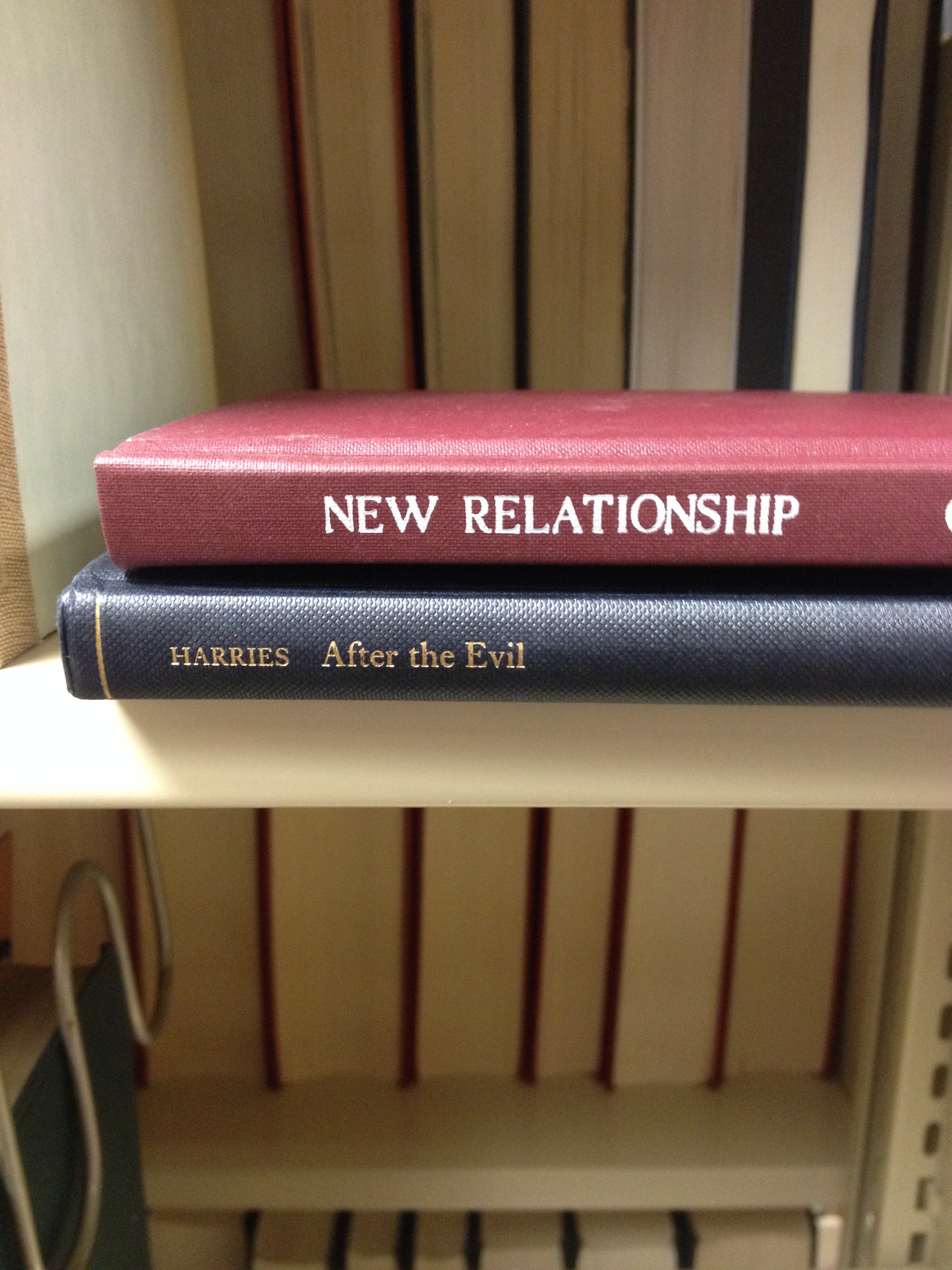
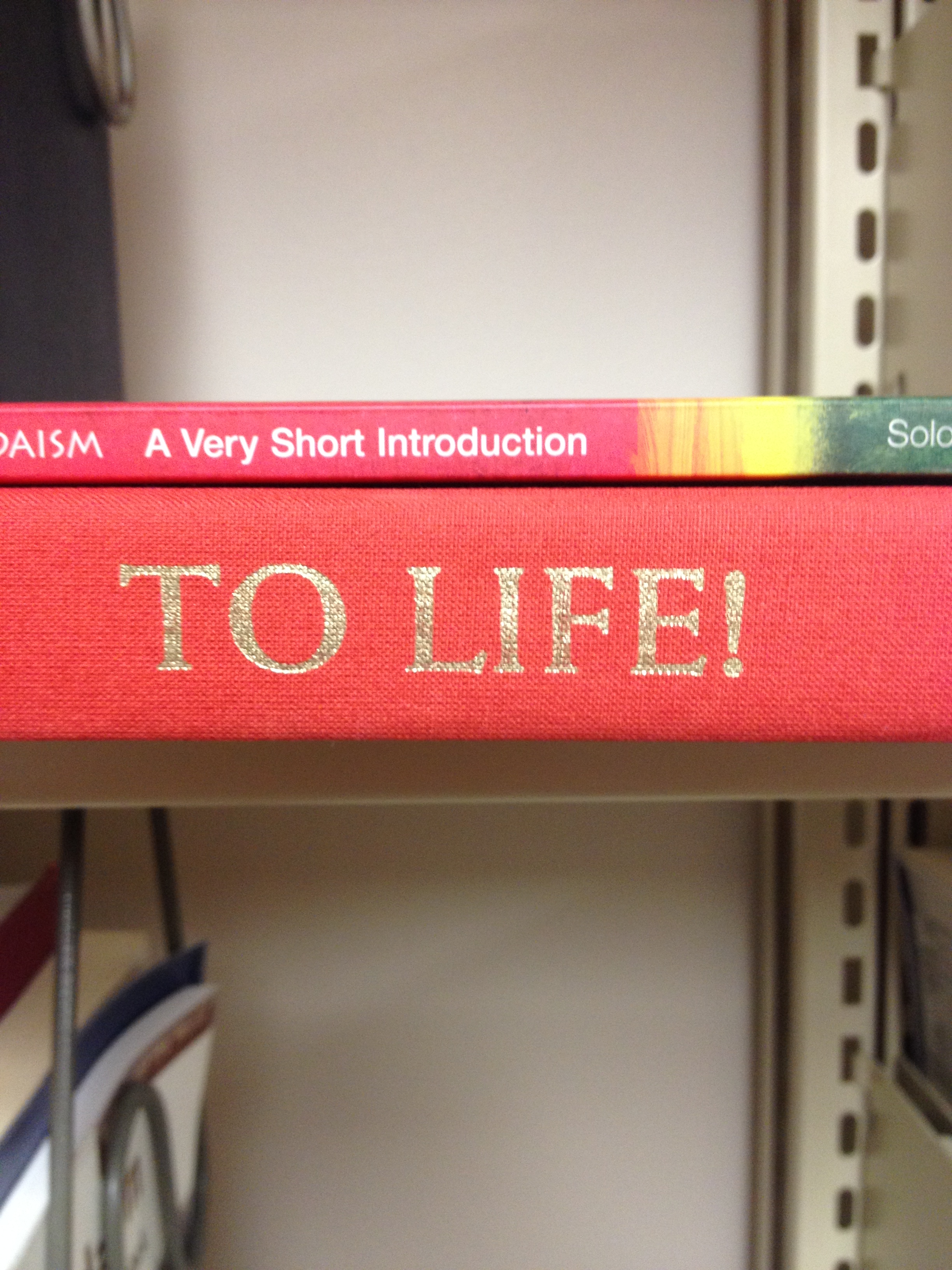
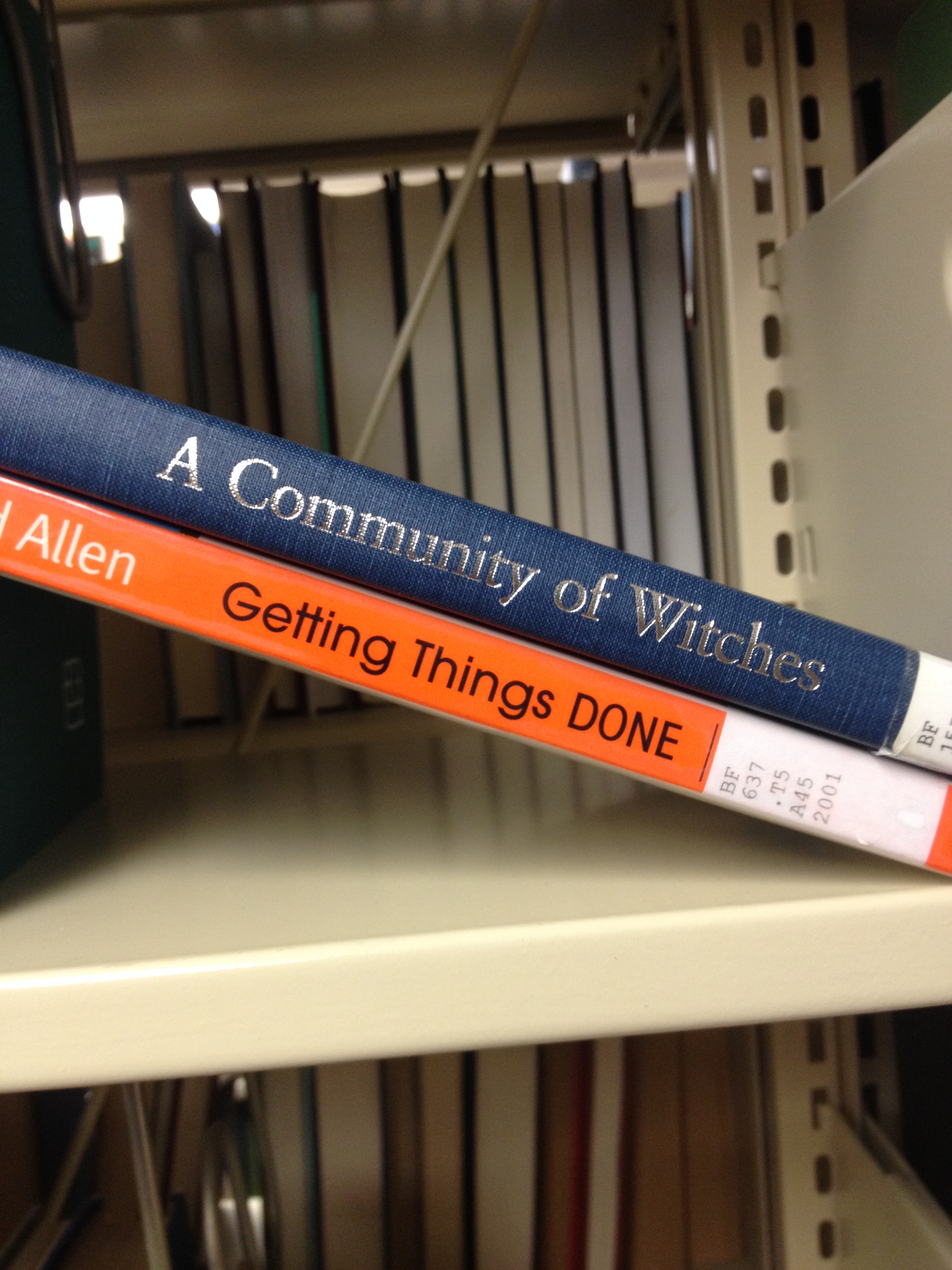

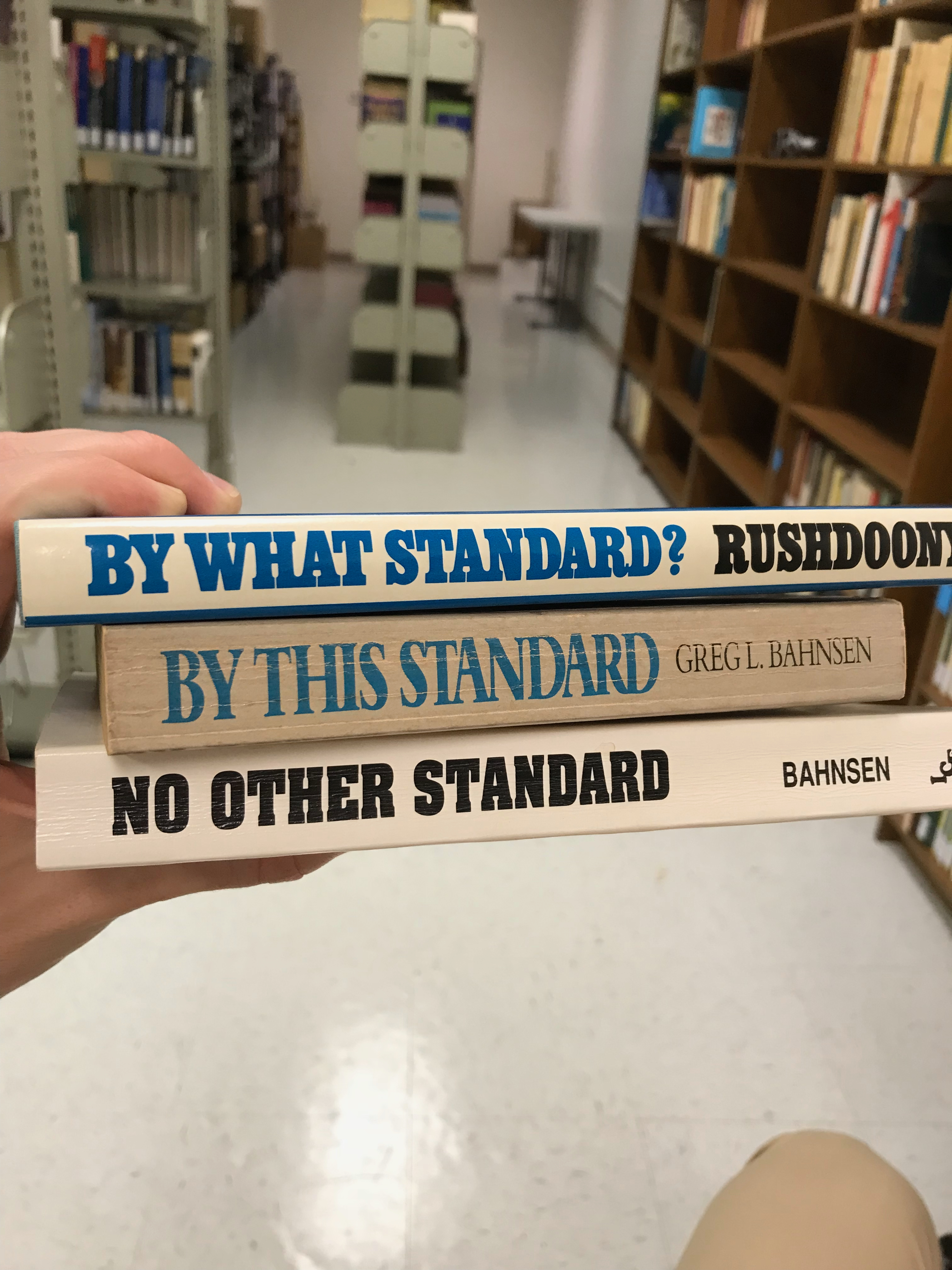
Messing around with book titles.


Christians of my ilk like to bash Disney as the world’s guiltiest hawker of the Gospel of Self. Uncle Walt sold us the toxic message, “Believe in yourself,” which has caused generations of children to despise tradition and their parents.
Disney was certainly an optimist who believed in the inherent innocence of people—the childhood within—that can be counted on to keep us walking straight. Disneyland, the “World of Tomorrow,” and 90% of Disney products dish out this message liberally, so I understand my friends’ disdain. But, please, don’t throw Disney movies out with the bathwater.
The full-length, animated, theatrically released Disney movies are peerless examples of American cinema. In some ways, they’re more classic than classic films because most of them are based on folk tales and fables. And, far from promulgating a “Believe in Yourself” message, these films have a variety of messages, which I’ve summarized below. (Some of these I haven’t seen in years, so I either skipped them or had to rely on memory.)
This is a haphazard analysis, to be sure, but I hope it demonstrates that Disney movies aren’t always as villainous as they’re made out to be.
One of the last assignments I gave my eighth grade composition class was writing a short story. I only had two class periods to work with, so I handed them O. Henry’s “A Retrieved Reformation,” along with a sheet of questions, and we created a outline based on that story. The students then wrote their own stories, following the outline as closely as possible.
Here’s roughly what I said:
First, you need a character, which is “a person with a goal.” The goal can be as small as scratching an itch or as enormous as getting married.
Person + goal = character
Next, you to describe the world this character lives in—not necessarily a physical world, just the circumstances that surround the character (a busy city, a big family, a dead-end job, a spaceship).
Once you have a person with a goal living in a world, you need to describe something that prevents the character from achieving his goal. The character’s attempt to overcome his obstacle is called “conflict.”
Character + obstacle = conflict
If the character’s goal is scratching an itch, the obstacle might be that the itch is hard to reach. If he wants to get married, his girlfriend doesn’t.
In his attempt to overcome the obstacle, your character should meet a new obstacle, which creates new conflict. (Again, we’re following O. Henry here.) The itchy character runs all over the city looking for a back-scratcher, but all the stores are sold out. The would-be groom plans a romantic dinner, but his girlfriend gets food poisoning.
We limited ourselves to two conflicts, but a story can have many more than that. The key is that each conflict should either sprout directly from one of the character’s main goal(s) or flow from his attempts to overcome the previous obstacle.
At some point, it should appear that the character has failed at both of his goals. He’s at the end of his rope and nothing is solved. The last mayor bans back-scratchers and the itch just gets worse. The girlfriend is so sick she gets sent to the hospital and vows never to see him again.
Finally, to his surprise, the character meets one or both of his goals. (This is called resolution.) The more unexpected the success is, the better. Enraged, the itchy character grabs a “sold out” sign to smash it, only to realize its the perfect length to scratch his back. The romantic meets a cute paramedic who’s smitten with him.
Note that the most important conflict to resolve is the original one. It’s not necessary for the character to buy a back-scratcher. He just needs to get rid of his itch. It’s not necessary for the date to go well, only for the main character to find love.
The full recipe looks like this:
The students that followed this structure closely ended up writing stories that, while not great, were compelling. We wanted to know what was going to happen next and we were satisfied by the ending. That’s more than we can say about most stories.
The funniest thing about this is that I tried to map this structure onto one of my own stories and realized I hadn’t given my main character a primary goal. As I’ve said before, teaching something is one of the best ways to learn.
For about two weeks before the end of the school year, I put aside trying to teach one of my classes and read out loud to them instead. I wanted to revive whatever dormant interest they had in stories, or create one if it never existed.
The stories had to be engaging (gripping, funny, sad, scary), short enough to read aloud in one sitting, and relatively clean. I also wanted to pick stories that the students were unlikely to read in school, though I realized that other teachers tend to pick stories based on the criteria above, which means the pool is relatively small.
Most important, every story had to make an impact. I didn’t care whether the students hated the story or loved it as long as they cared.
Here are the ones we read, in order:
Today I finished my last day of teaching. The schedule calls this a “exam review” day, but since my students don’t have an exam in my class, we didn’t have anything to review. Instead, we watched Notes from the Tilt-a-Whirl. No prep. No discussion. Just hit play.
I didn’t really plan to end the year with this. I was just looking for an activity that wouldn’t completely waste 45 minutes of class time. Turns out, a documentary about words, art, life, rhetoric, and God summarized everything I’d been trying to say for nine months. Funny how things work out sometimes.
It has been, as they say, a year. Cheers to a long, hot summer.
Those who join in the work of animation are people who dream more than others and who wish to convey these dreams to others. After a while they realize how incredibly difficult it is to entertain others. Anyone who has tried to describe the wonderful or bittersweet qualities of his dreams should be able to understand how hard this is.
Hayao Miyazaki

The best compliment I can pay to any movie is this: “You just have to see it.”
Like all great films, 1917 must be seen to be understood. Nothing I say can capture the experience of watching it. Once it was over, silence seemed the only appropriate response. Words fail. I just want to see it again.
If your life revolves around the academic calendar, like mine does, you’ll understand that the next month is going to be a whirlwind of planning, grading, meeting, cleaning, and wiping tears from students’ homework. I won’t have time for much else besides teaching – and I also have a writing deadline to meet. I’m taking a break from Time’s Corner until summer begins.
If I do write anything, I’ll post it here.
 Christian Leithart